




What Are Nicotine Pouches? Complete Guide for 2026

| Key Insight | Explanation |
|---|---|
| Definition & Composition | Small tobacco-free pouches containing nicotine powder, flavorings, and plant-based fillers |
| Usage Method | Placed between lip and gum for 15-60 minutes, delivering nicotine through oral absorption |
| Health Profile | Tobacco-free but not risk-free; potential for addiction and oral health issues |
| Market Evolution | Fastest-growing nicotine category in 2026, with premium brands offering cleaner alternatives |
| Strength Ranges | Typically 2-20mg nicotine per pouch, with most users preferring 6-12mg strength |
| Regulation Status | Classified as tobacco products by FDA despite containing no tobacco leaf |
What Are Nicotine Pouches?
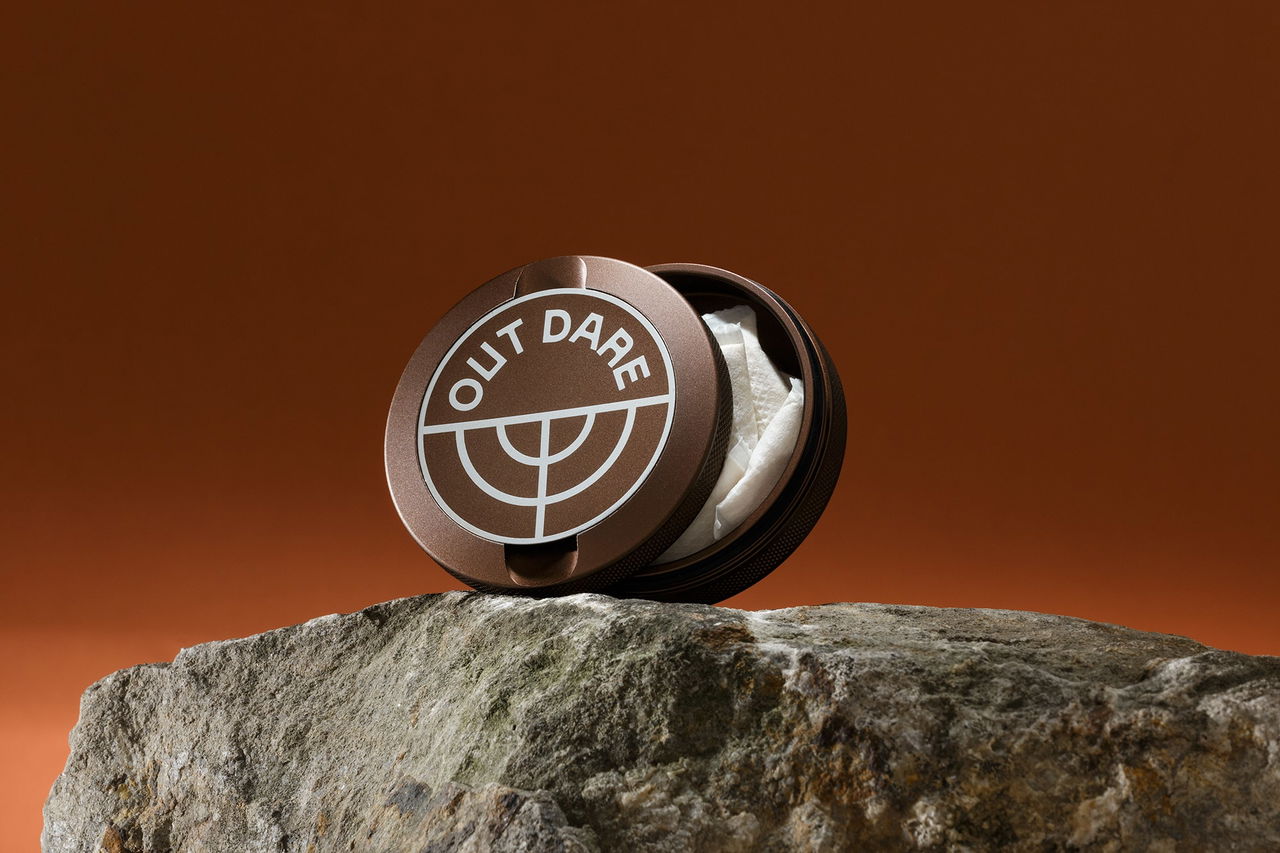
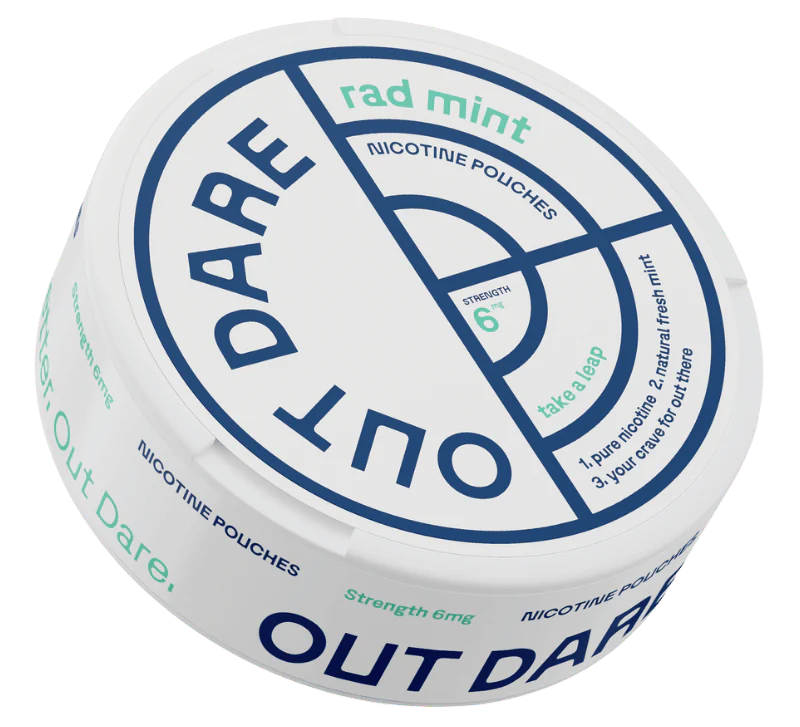
Nicotine pouches are small, rectangular sachets containing nicotine powder, plant-based fillers, flavorings, and other ingredients designed for oral use. Unlike traditional snus or chewing tobacco, these products contain no tobacco leaf whatsoever, earning them the "tobacco-free" designation that's driving much of their appeal.Composition and Ingredients
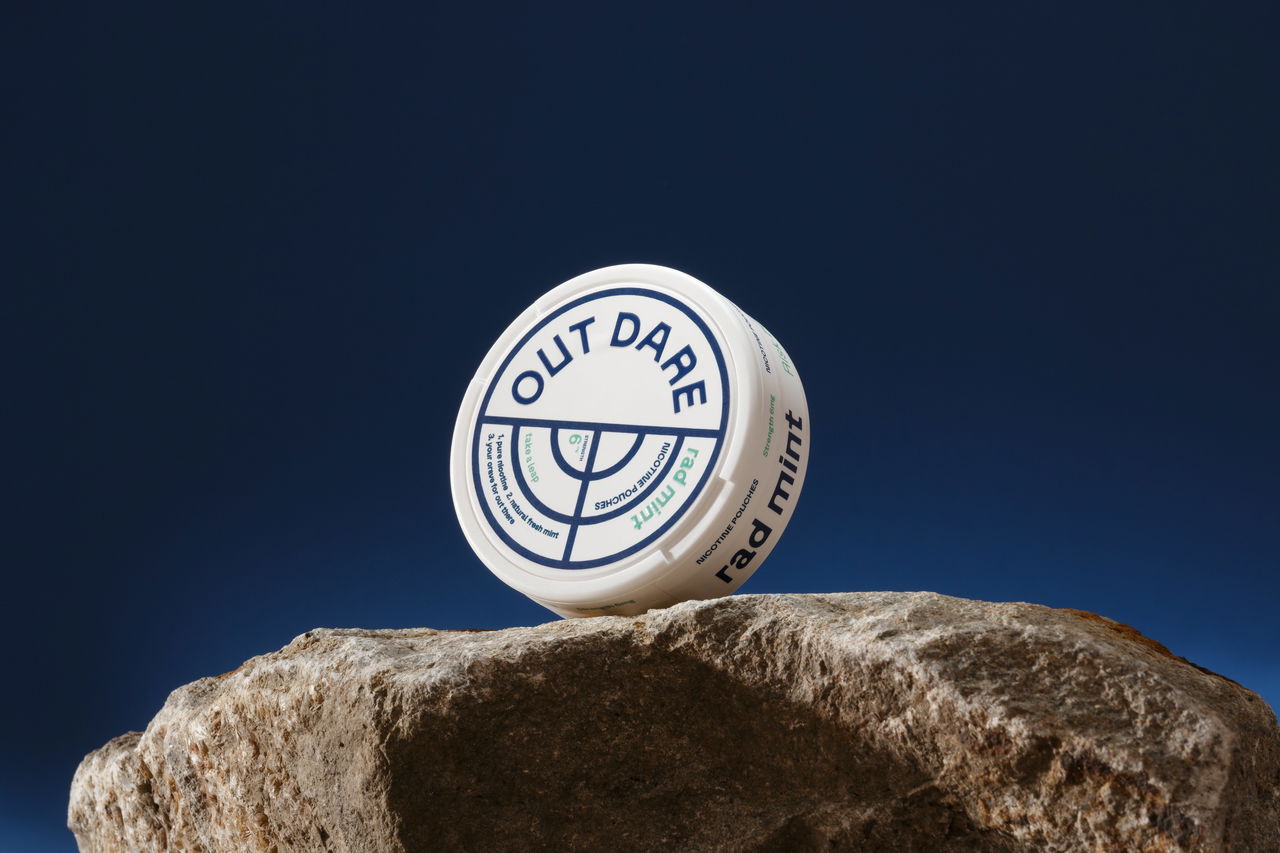
The typical nicotine pouch contains several key components working together to deliver nicotine effectively. The primary ingredient is nicotine, either derived from tobacco plants or synthetically produced in laboratories. This nicotine is combined with plant-based fillers like microcrystalline cellulose, which creates the pouch's structure and helps control nicotine release. Flavorings play a crucial role in user experience, with mint being the most popular choice across brands. Other common flavors include citrus, berry, and coffee variants. The CDC notes that these flavorings help mask nicotine's naturally bitter taste, making the products more palatable for new users [1]. pH adjusters like sodium carbonate are added to optimize nicotine absorption through oral tissues. Sweeteners such as xylitol or acesulfame potassium enhance taste while potentially providing dental benefits. Finally, the outer pouch material is typically made from food-grade microfiber that's permeable enough to allow nicotine release while containing the contents.Product Variations and Strengths
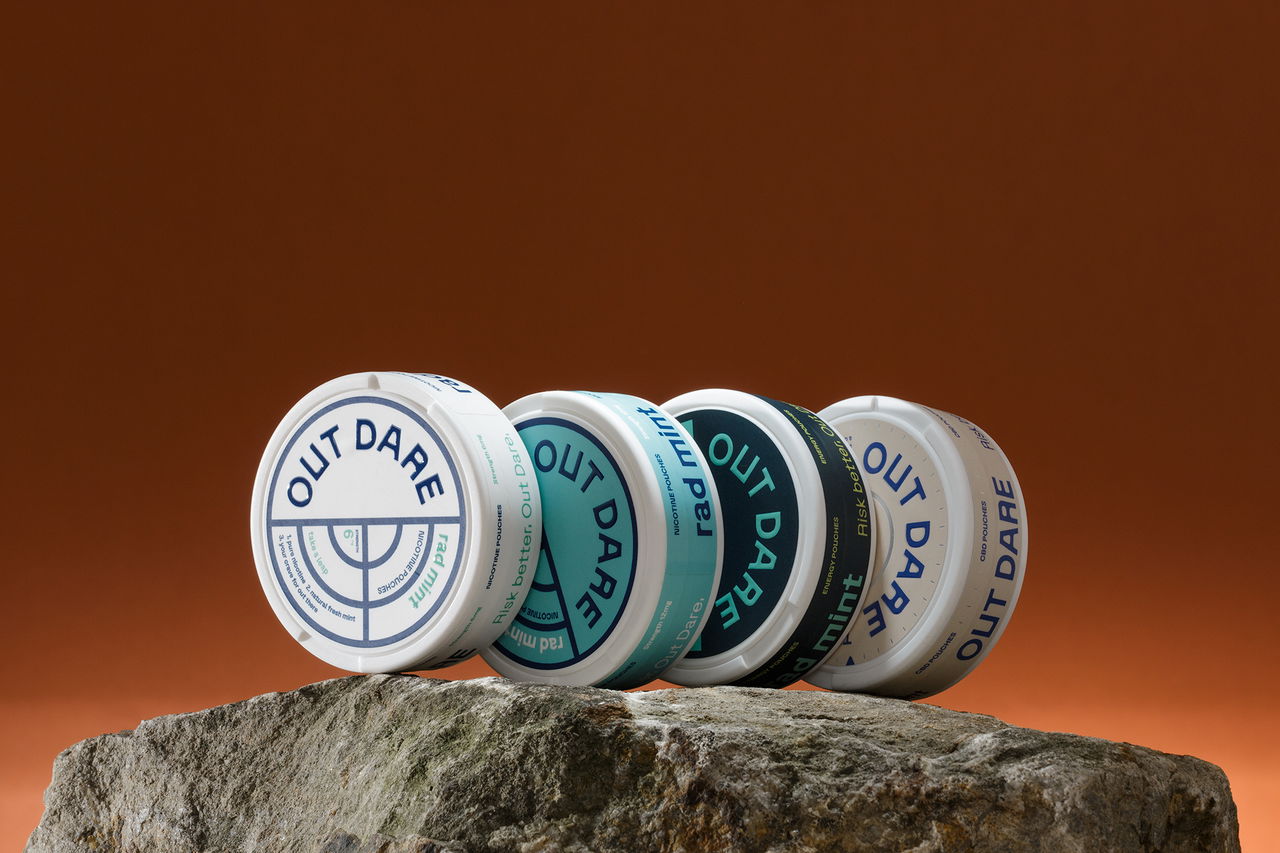
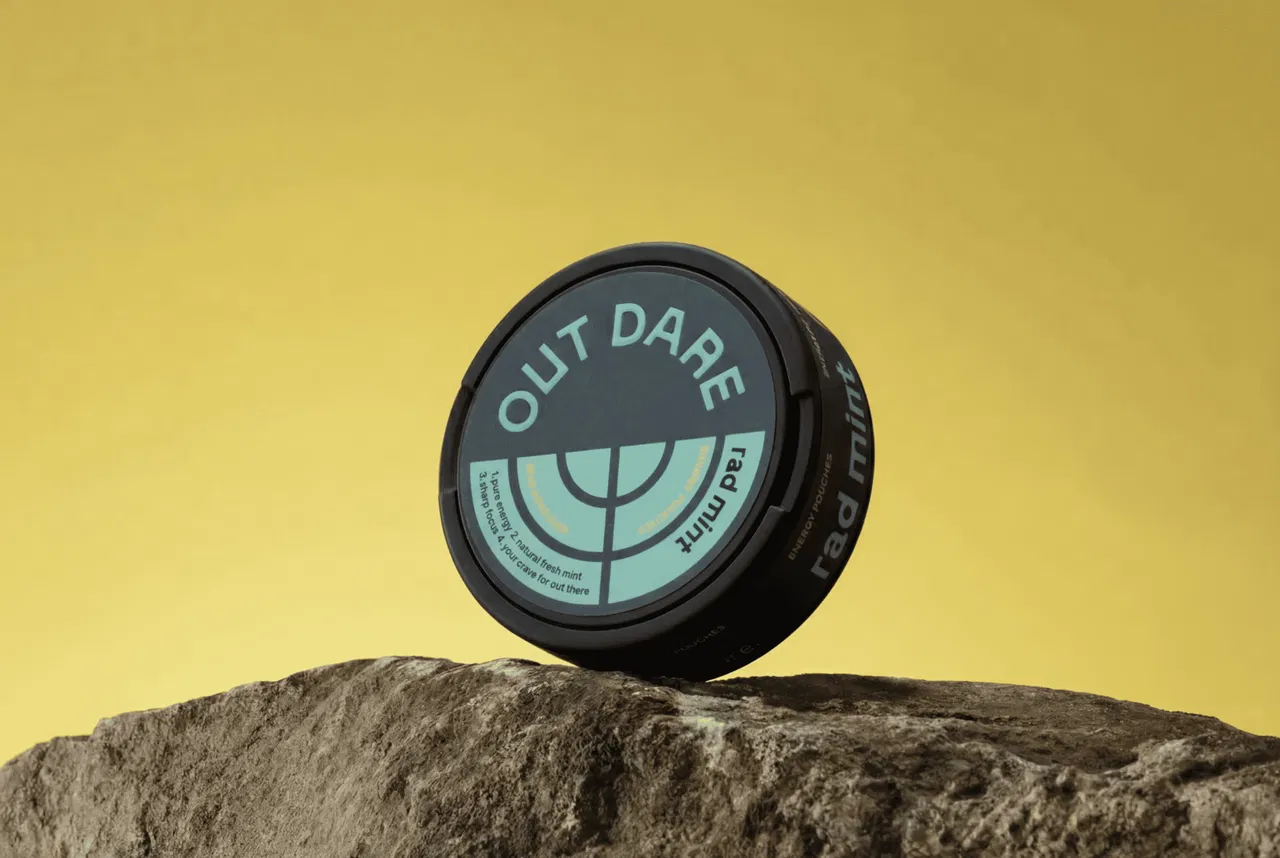
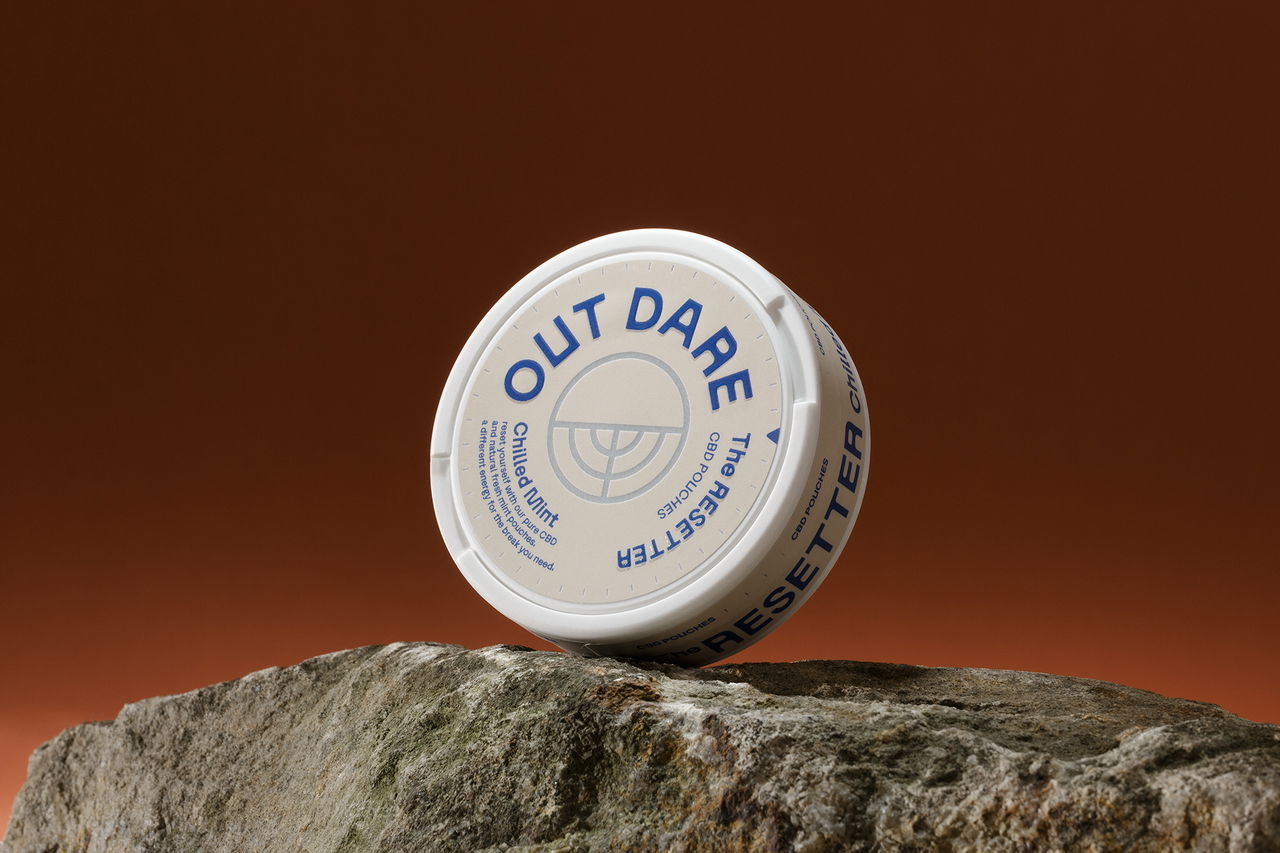
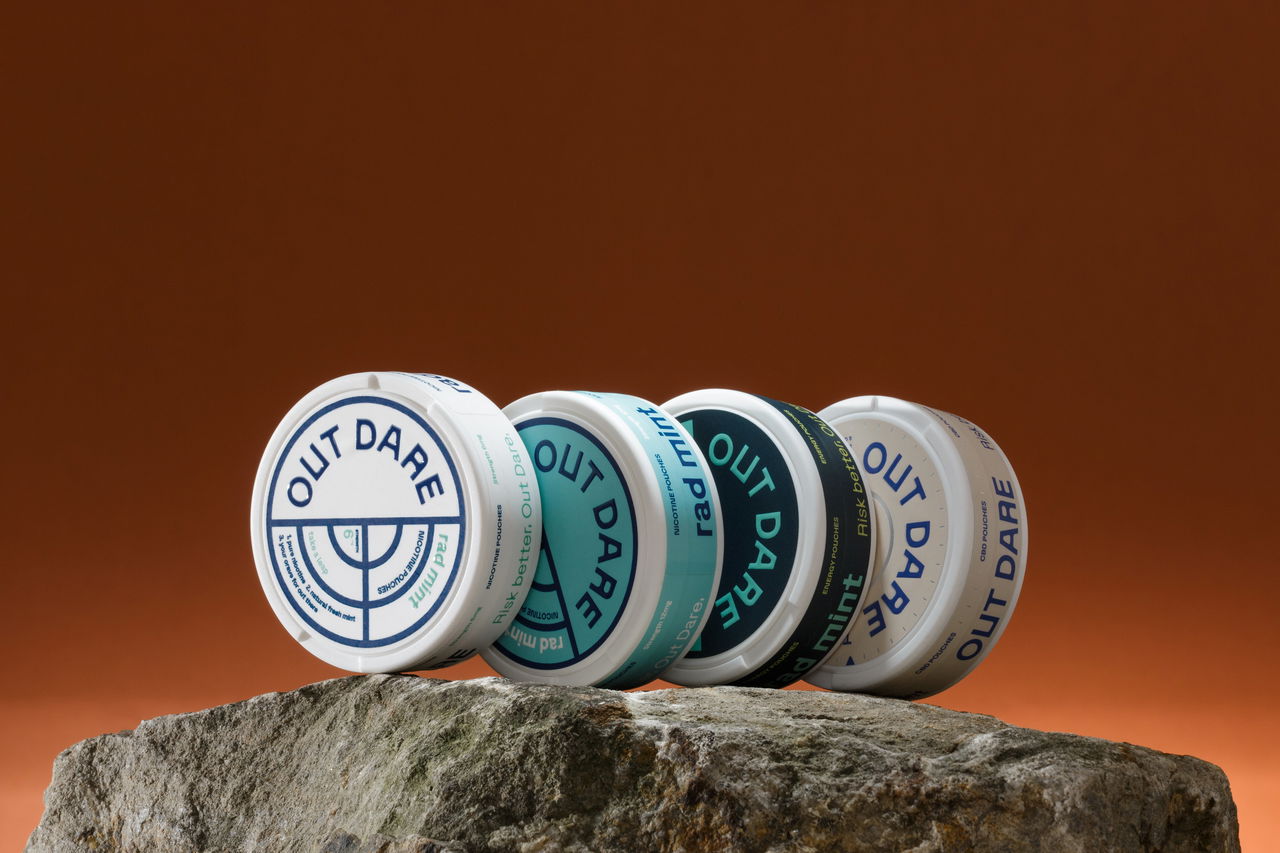
Modern nicotine pouches come in various sizes, strengths, and formats to accommodate different user preferences. Strength typically ranges from 2mg for beginners to 20mg for heavy users, with most consumers gravitating toward 6-12mg options according to 2026 market data.Pro Tip: Start with lower nicotine strengths (4-6mg) even if you're a heavy smoker. Oral absorption differs significantly from inhalation, and you can always increase strength if needed.Size variations include mini, regular, and large formats. Mini pouches offer discretion, while larger formats typically provide longer-lasting effects. Some premium brands are now introducing specialized formulations that combine nicotine with other ingredients like caffeine or CBD, creating hybrid products that address multiple user needs simultaneously.
How Nicotine Pouches Work
Nicotine pouches deliver their active ingredient through a process called transmucosal absorption, where nicotine passes directly through the soft tissues of your mouth into your bloodstream. This mechanism differs fundamentally from smoking or vaping, which rely on lung absorption.The Absorption Mechanism
When you place a nicotine pouch between your lip and gum, saliva activates the contents and begins dissolving the nicotine powder. The alkaline pH of the pouch helps convert nicotine into its free-base form, which more easily penetrates oral tissues. Yale Medicine researchers explain that this process typically begins within 2-3 minutes of placement [2]. The absorption rate depends on several factors:- Saliva production and pH levels
- Pouch placement and pressure against tissues
- Individual tissue permeability
- Nicotine concentration and formulation
- Duration of use
Proper Usage Methodology
Correct usage technique significantly impacts both effectiveness and safety outcomes. The Truth Initiative provides clear guidance on proper placement: position the pouch between your upper lip and gum, avoiding areas with cuts or irritation [3]. The pouch should rest comfortably without excessive pressure. Most manufacturers recommend 15-60 minute usage periods, though individual tolerance varies. New users often experience a tingling or burning sensation initially, which typically subsides with regular use. This sensation, sometimes called "the burn," is caused by nicotine's alkaline properties interacting with oral tissues.- Wash hands before handling pouches
- Place pouch between lip and gum using clean fingers
- Allow 2-3 minutes for activation
- Keep pouch stationary during use
- Remove after 15-60 minutes
- Dispose of used pouches properly
Key Benefits and Advantages
Nicotine pouches offer several advantages over traditional tobacco products, making them attractive to both current smokers seeking alternatives and individuals looking for controlled nicotine delivery. Understanding these benefits helps explain their rapid market growth in recent years.Health and Safety Advantages
The primary health advantage of nicotine pouches lies in their tobacco-free composition. MD Anderson Cancer Center emphasizes that eliminating tobacco leaf removes exposure to many carcinogenic compounds found in cigarettes and smokeless tobacco products [4]. This reduction in harmful chemicals represents a significant step toward harm reduction for current tobacco users. Additional health benefits include:- No combustion byproducts or tar exposure
- Reduced risk of lung and throat cancers compared to smoking
- Lower risk of gum disease versus traditional snus
- No secondhand smoke production
- Elimination of tobacco-specific nitrosamines (TSNAs)
Convenience and Social Benefits
Modern lifestyle demands have made convenience a critical factor in product adoption. Nicotine pouches excel in this area, offering unmatched discretion and usability. They produce no visible vapor, require no special equipment, and can be used in environments where smoking and vaping are prohibited. Professional benefits include the ability to maintain nicotine levels during long meetings, flights, or other situations where traditional products aren't feasible. The lack of odor means colleagues and family members aren't exposed to secondhand effects, reducing social friction around usage.Pro Tip: Keep a small tin in your desk drawer or car for situations where you need nicotine but can't step outside. The discretion factor makes them ideal for maintaining productivity without disrupting your workflow.The portability factor can't be understated. A single tin contains 20-24 pouches and fits easily in a pocket or purse, providing all-day coverage without the bulk of cigarette packs or vaping devices. This convenience has made them particularly popular among business travelers and professionals with demanding schedules.
Potential Risks and Challenges
While nicotine pouches offer advantages over traditional tobacco products, they're not without risks and limitations. Understanding these challenges is essential for making informed decisions about usage and recognizing when problems might be developing.Health Risks and Concerns
The American Lung Association highlights that nicotine addiction remains the primary concern with any nicotine-containing product, regardless of delivery method [7]. Nicotine pouches can be just as addictive as cigarettes, and some users report developing dependencies that are difficult to break. Cardiovascular risks associated with nicotine include:- Increased heart rate and blood pressure
- Potential for irregular heart rhythms
- Vasoconstriction reducing blood flow
- Increased risk of blood clots
- Potential pregnancy complications
Common Usage Challenges and Mistakes
Many new users make mistakes that can lead to negative experiences or reduced effectiveness. Overuse is perhaps the most common error, with some individuals consuming multiple pouches simultaneously or using them continuously throughout the day. Placement errors can cause unnecessary irritation or poor absorption. Placing pouches too far back in the mouth, using excessive pressure, or switching positions frequently can lead to tissue damage or inconsistent nicotine delivery. Some users also make the mistake of chewing or moving the pouch, which can cause contents to leak and create an unpleasant experience.| Common Mistake | Consequence | Better Approach |
|---|---|---|
| Using too high strength initially | Nausea, dizziness, negative first experience | Start with 4-6mg regardless of smoking history |
| Leaving pouches in too long | Tissue irritation, excessive nicotine absorption | Remove after 30-45 minutes maximum |
| Using same placement spot repeatedly | Localized tissue damage, sores | Rotate placement locations around mouth |
| Chain-using multiple pouches | Nicotine overdose, rapid tolerance build | Wait 1-2 hours between pouches |
Best Practices for 2026
As the nicotine pouch market matures in 2026, best practices have emerged from both clinical research and user experience data. Following these guidelines can help maximize benefits while minimizing risks and side effects.Smart Product Selection Criteria
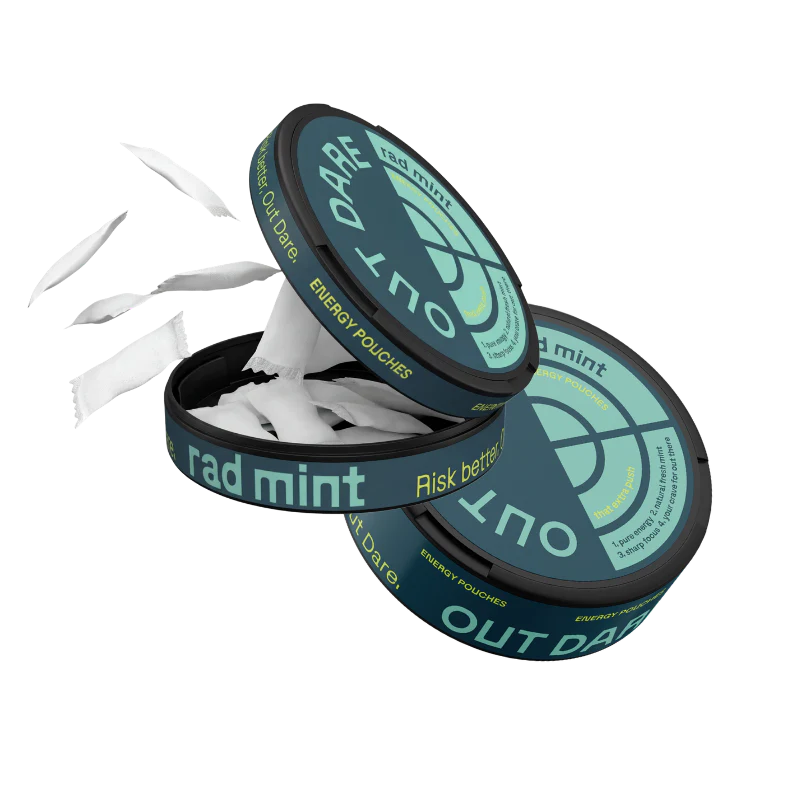
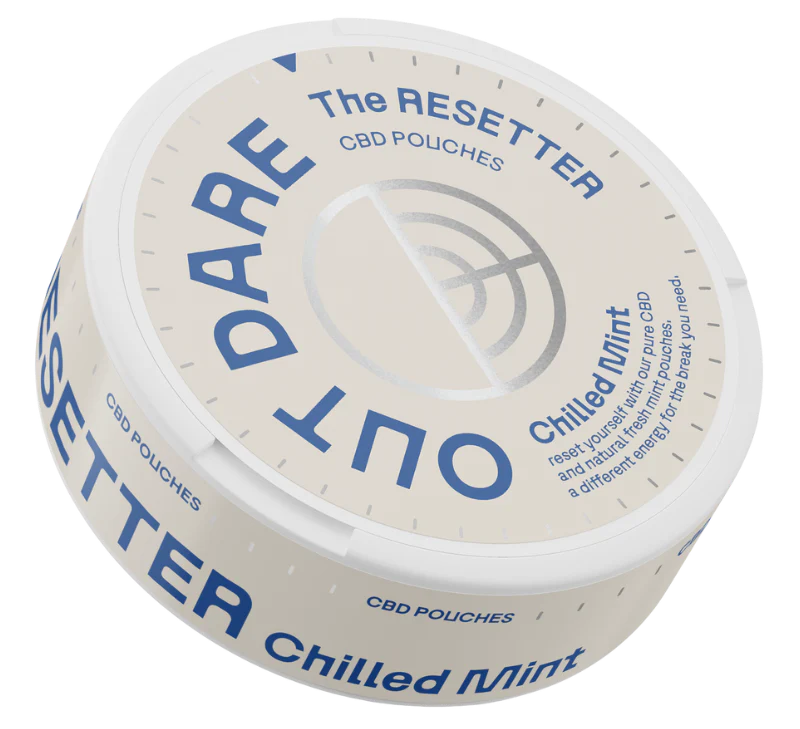
Choosing the right nicotine pouch involves more than just picking a flavor. Quality indicators include European manufacturing standards, clean ingredient lists, and transparent labeling. Look for products that clearly state nicotine content, ingredient sourcing, and manufacturing location. Premium brands are now offering specialized formulations that go beyond basic nicotine delivery. Some combine nicotine with natural ingredients, while others provide tobacco-free alternatives like caffeine or CBD pouches that maintain the same oral ritual without nicotine dependency. This "system approach" allows users to gradually reduce nicotine intake while preserving the behavioral aspects of pouch use. Key selection factors for 2026:- Clean manufacturing processes and facility certifications
- Plant-based fillers rather than synthetic alternatives
- Natural flavoring systems without artificial additives
- Xylitol-based formulations for potential dental benefits
- Consistent pouch sizing and nicotine distribution
- Brands offering step-down systems for nicotine reduction
Usage Optimization Strategies
Optimal usage patterns have emerged from studying successful long-term users. The most effective approach involves strategic timing rather than continuous use throughout the day. Many experienced users find success with a structured schedule that addresses specific situations rather than maintaining constant nicotine levels.Pro Tip: Track your usage patterns for two weeks to identify your true needs versus habitual use. Many users discover they can reduce consumption by 30-40% simply by being more intentional about timing.The emerging "ritual replacement" strategy involves using different pouch types for different situations. Morning focus sessions might call for energy-enhanced pouches, while evening relaxation could benefit from CBD alternatives. This approach maintains the oral habit while providing functional benefits beyond nicotine delivery. Rotation strategies help prevent tissue damage and tolerance buildup. Experienced users recommend alternating placement locations, varying strengths throughout the day, and incorporating "pouch-free" periods to reset tolerance levels. Some successful users implement a "weekend reduction" approach, using lower strengths or alternative pouches during non-work days.
Sources & References
- Centers for Disease Control and Prevention, "Nicotine Pouches | Smoking and Tobacco Use", 2026
- Yale Medicine, "What Parents Should Know About Nicotine Pouches", 2026
- Truth Initiative, "What is Zyn and what are oral nicotine pouches?", 2026
- MD Anderson Cancer Center, "What to know about nicotine pouches", 2026
- Wikipedia, "Nicotine pouch", 2026
- VCU Health, "How safe are nicotine pouches? Tobacco-free does not mean risk-free", 2026
- American Lung Association, "ZYN 101: What to Know About Big Tobacco's Latest Addiction", 2026
- American Cancer Society, "What to Know About Nicotine Pouches and Cancer Risk", 2026
- PMC, "Nicotine pouches: a narrative review of the existing literature", 2026
- Johns Hopkins Bloomberg School of Public Health, "Are Oral Nicotine Pouches Safe?", 2024
Frequently Asked Questions
1. What does a nicotine pouch do to your mouth?
Understanding what are nicotine pouches is essential. Nicotine pouches can cause temporary tingling, burning, or mild irritation in your mouth, especially when first starting. Long-term use may lead to gum irritation, mouth sores, or tissue changes at the placement site. Rotating placement locations and taking breaks can minimize these effects.
2. Are nicotine pouches safer than cigarettes?
Yes, nicotine pouches are generally considered safer than cigarettes because they contain no tobacco leaf and produce no combustion byproducts. However, they still carry risks including nicotine addiction, cardiovascular effects, and potential oral health issues. They're a harm reduction tool, not a risk-free product. This is particularly relevant for what are nicotine pouches.
3. How long should you keep a nicotine pouch in your mouth?
Most manufacturers recommend keeping nicotine pouches in place for 15-60 minutes. New users should start with shorter durations (15-20 minutes) to assess tolerance. Leaving pouches in longer than recommended can increase irritation and nicotine absorption beyond intended levels. When considering what are nicotine pouches, this point stands out.
4. Can nicotine pouches help you quit smoking?
Nicotine pouches can serve as a smoking cessation aid by providing nicotine without tobacco combustion. However, they're not FDA-approved cessation products and can lead to their own form of dependency. Success depends on gradually reducing nicotine strength and eventually eliminating use entirely. For those exploring what are nicotine pouches, this matters.
5. What are the main ingredients in nicotine pouches?
Nicotine pouches typically contain nicotine (synthetic or tobacco-derived), plant-based fillers like microcrystalline cellulose, flavorings (often mint), pH adjusters, sweeteners like xylitol, and a permeable pouch material. Premium brands focus on clean, natural ingredients without artificial additives. This directly impacts what are nicotine pouches outcomes.
6. How much do nicotine pouches cost compared to cigarettes?
Nicotine pouches can cost €150-400 per month for heavy users, potentially matching or exceeding cigarette expenses. A single tin (20-24 pouches) typically costs €5-15, with premium brands commanding higher prices. The discrete nature can lead to overconsumption and higher costs than anticipated. This is particularly relevant for what are nicotine pouches.
7. Are there nicotine-free alternatives to nicotine pouches?
Yes, several brands now offer tobacco-free and nicotine-free pouches containing caffeine, CBD, or herbal ingredients. These alternatives maintain the oral ritual and physical habit while eliminating nicotine dependency. They're particularly useful for users trying to reduce or eliminate nicotine intake. When considering what are nicotine pouches, this point stands out.
Recommended Articles
Explore more from our content library: