




Nicotine Pouches vs Vaping: Complete 2026 Guide
| Key Insight | Explanation |
|---|---|
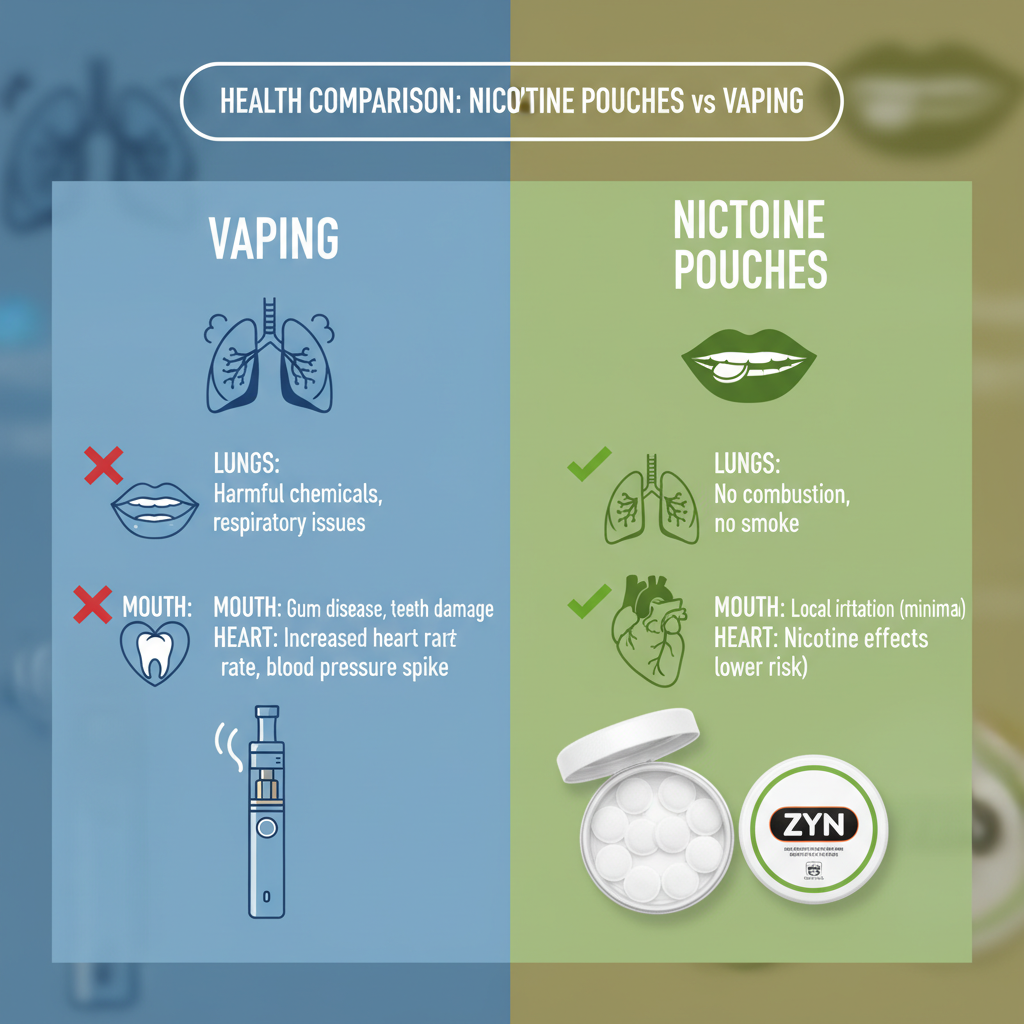
| Health Impact | Nicotine pouches eliminate lung exposure risks associated with vaping vapor and chemicals |
| Nicotine Delivery | Vaping provides faster absorption through lungs; pouches offer slower, sustained release through oral tissue |
| Cost Comparison | Pouches typically cost €150-250/month vs vaping at €80-200/month depending on usage patterns |
| Social Acceptance | Pouches are completely discreet with no vapor, smell, or visible usage indicators |
| Regulation Status | Vaping faces increasing restrictions; pouches remain largely unregulated across Europe as of 2026 |
What Are Nicotine Pouches and Vaping?: nicotine pouches vs vaping
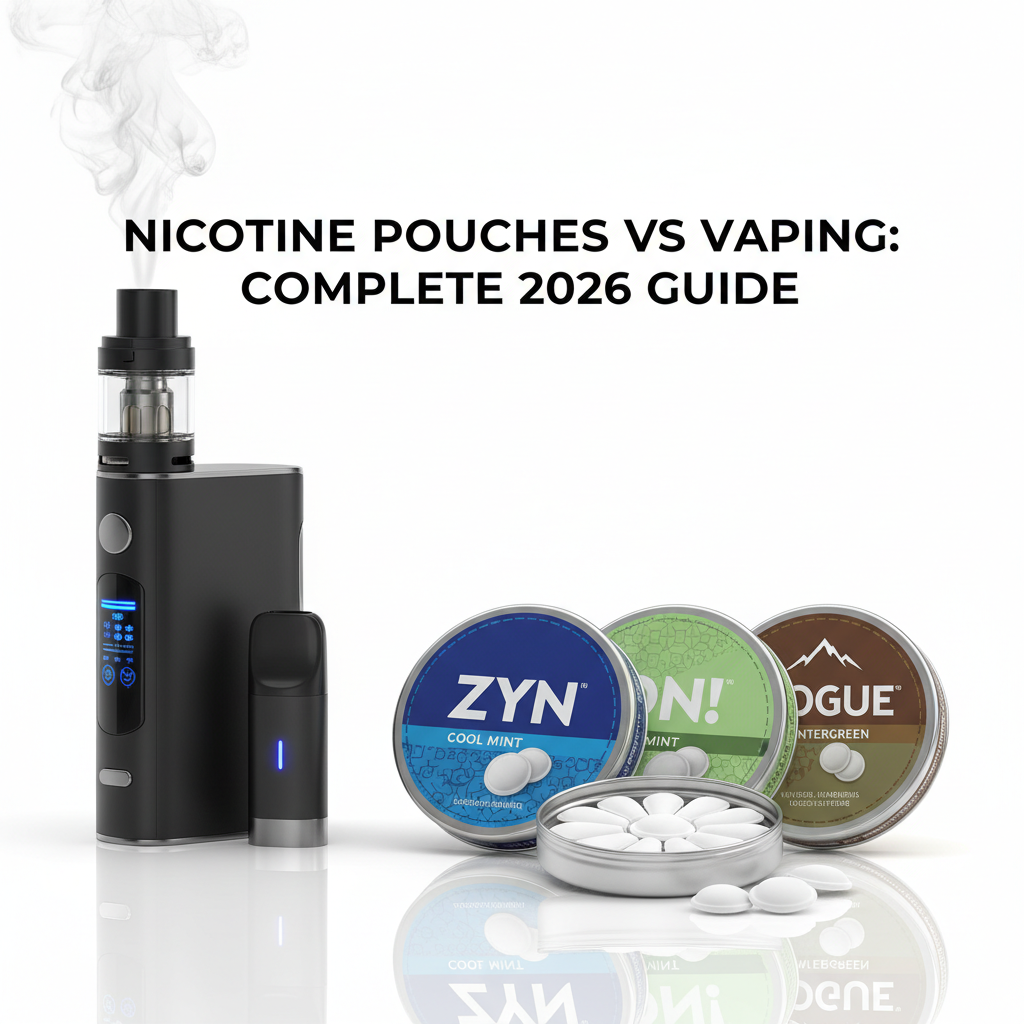
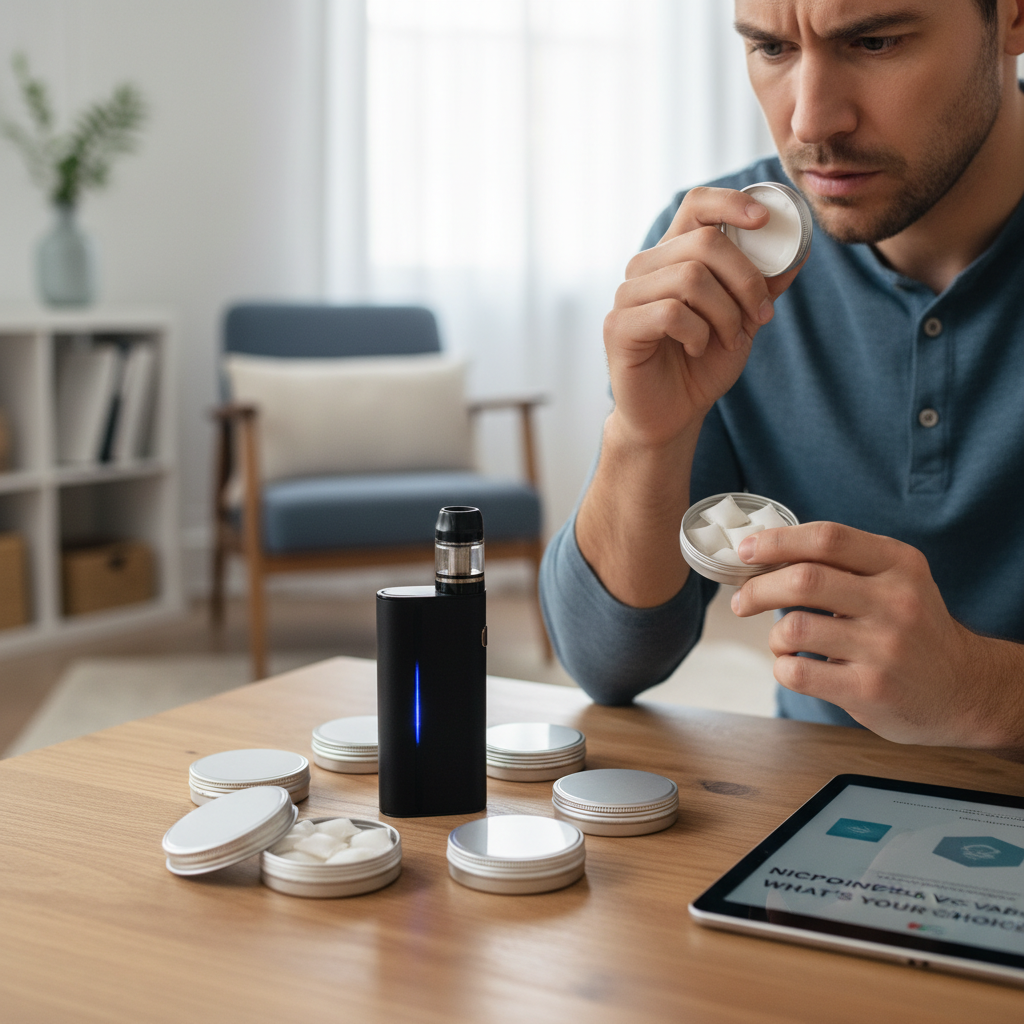
Nicotine pouches vs vaping represents a choice between two tobacco-free nicotine delivery systems that have revolutionized harm reduction approaches. Nicotine pouches are small, white sachets containing nicotine, plant fibers, and flavorings that users place between their gum and lip. Vaping involves inhaling vapor produced by heating nicotine-containing liquid in an electronic device.Nicotine Pouch Fundamentals
Modern nicotine pouches contain pharmaceutical-grade nicotine extracted from tobacco plants but include no tobacco leaf material. The pouches typically measure 8-12mm and contain between 2-20mg of nicotine depending on strength. European manufacturers have refined the formula to include:- Plant-based fibers (usually pine or eucalyptus)
- Food-grade flavorings and sweeteners
- pH adjusters to optimize nicotine absorption
- Stabilizers to maintain product integrity
Vaping Technology Overview
Vaping devices heat e-liquid to temperatures between 200-250°C, creating an aerosol that users inhale. The e-liquid typically contains:- Propylene glycol (PG) as a flavor carrier
- Vegetable glycerin (VG) for vapor production
- Nicotine in various concentrations
- Artificial or natural flavorings
Pro Tip: If discretion is important for your lifestyle, consider that pouches leave no visible trace while vaping produces obvious vapor clouds that can draw attention in professional or social settings.
How Nicotine Delivery Works
The fundamental difference in nicotine pouches vs vaping lies in absorption pathways and delivery speed. Vaping delivers nicotine through pulmonary absorption while pouches use oral mucosal absorption, creating distinct pharmacokinetic profiles that affect user experience and satisfaction.Vaping Absorption Mechanism
Vaping provides rapid nicotine delivery through the lungs' extensive capillary network. When vapor reaches the alveoli, nicotine crosses into the bloodstream within 10-20 seconds, reaching the brain almost immediately. This rapid onset mimics the delivery speed of traditional cigarettes, which explains why many smokers find vaping satisfying for cessation attempts. Peak nicotine levels from vaping typically occur within 5-10 minutes, with effects lasting 30-60 minutes depending on device efficiency and e-liquid concentration. The Truth Initiative notes that this rapid delivery can "put users at risk of nicotine addiction" due to the immediate reward cycle [3].Pouch Absorption Process
Nicotine pouches release nicotine gradually through oral tissues over 20-60 minutes. The buccal and sublingual areas absorb nicotine more slowly than lungs, creating a sustained release pattern. Peak nicotine levels occur 30-45 minutes after placement, with effects lasting 2-3 hours. This slower absorption provides several advantages:- More stable nicotine levels throughout the day
- Reduced craving intensity between uses
- Lower peak concentrations that may reduce addiction potential
- Extended satisfaction from each dose
| Delivery Method | Onset Time | Peak Effect | Duration |
|---|---|---|---|
| Vaping | 10-20 seconds | 5-10 minutes | 30-60 minutes |
| Nicotine Pouches | 5-15 minutes | 30-45 minutes | 2-3 hours |
Health Effects Comparison
When evaluating nicotine pouches vs vaping from a health perspective, the primary consideration is exposure pathway and associated risks. Both methods eliminate combustion-related toxins found in cigarettes, but they present different risk profiles based on delivery mechanism and ingredient exposure.Respiratory Health Considerations
Vaping exposes users to inhaled chemicals that can affect lung health. Recent studies have identified potential concerns including:- Propylene glycol and vegetable glycerin breakdown products
- Flavoring chemicals like diacetyl linked to "popcorn lung"
- Metal particles from heating coils
- Unknown long-term effects of chronic vapor inhalation
Oral Health Impacts
Pouches present their own health considerations, primarily affecting oral tissues. Common concerns include:- Gum recession from prolonged contact
- Tooth enamel erosion from pH changes
- Potential for oral lesions with excessive use
- Altered oral microbiome
Pro Tip: Rotate pouch placement around your mouth and take regular breaks to minimize localized tissue irritation. Most oral health issues resolve within weeks of reducing usage frequency.
Systemic Health Effects
Both methods deliver nicotine, which affects cardiovascular and neurological systems. However, the delivery pattern influences overall impact: Vaping's rapid nicotine spikes can cause:- Increased heart rate and blood pressure
- More pronounced withdrawal symptoms
- Higher addiction potential due to reward timing
- More stable cardiovascular effects
- Reduced withdrawal severity
- Easier dose reduction over time
Cost and Convenience Analysis
The financial and practical aspects of nicotine pouches vs vaping vary significantly based on usage patterns, device preferences, and regional pricing. Understanding the total cost of ownership and convenience factors helps users make economically informed decisions.Cost Breakdown Comparison
Vaping initial costs include device purchase (€20-200), replacement coils (€10-30/month), and e-liquid (€30-100/month). Heavy users may spend €80-200 monthly on vaping supplies, with premium devices and liquids pushing costs higher. Nicotine pouch costs are more straightforward: €4-8 per can containing 15-24 pouches. Heavy users consuming 8-15 pouches daily typically spend €150-250 monthly. While per-unit costs appear higher, the sustained release means fewer total doses needed throughout the day.| Cost Factor | Vaping | Nicotine Pouches |
|---|---|---|
| Initial Investment | €20-200 (device) | €4-8 (first can) |
| Monthly Supplies | €50-150 | €120-200 |
| Replacement Parts | €10-30/month | None |
| Total Monthly | €80-200 | €150-250 |
Convenience and Usability
Convenience factors heavily influence user satisfaction and long-term adherence. Pouches offer superior discretion and simplicity, requiring no charging, refilling, or maintenance. Users can carry multiple cans without battery anxiety or liquid spills. Vaping provides immediate satisfaction and customizable experiences through variable wattage, temperature control, and extensive flavor options. However, devices require regular charging, coil replacement, and careful e-liquid management. Nordic Spirit research indicates that many users appreciate pouches for their "host of flavour options" and consistent experience without the technical complexity of vaping devices [5]. The simplicity factor becomes particularly important for users transitioning from cigarettes who want nicotine without learning new technology.User Experience Differences
The subjective experience of nicotine pouches vs vaping varies dramatically based on individual preferences, lifestyle factors, and previous nicotine use patterns. Understanding these experiential differences helps predict which method will provide better long-term satisfaction.Satisfaction and Ritual
Vaping closely mimics smoking's hand-to-mouth ritual and provides immediate sensory feedback through vapor production and throat hit. This familiarity makes vaping appealing for recent ex-smokers seeking behavioral continuity. Pouches create a different ritual centered on placement and sustained contact. Users develop preferences for specific lip positions and timing patterns. Reddit discussions reveal that many users find pouches "far from healthy, but probably better than vaping" and appreciate the discrete nature [6]. The sustained release of pouches can provide psychological comfort throughout stressful periods without repeated dosing, while vaping requires active engagement every 30-60 minutes to maintain nicotine levels.Social and Professional Contexts
Professional environments increasingly favor pouches due to complete invisibility. Users can maintain nicotine intake during meetings, flights, or indoor events without detection. Vaping's visible vapor and potential odor create social friction in many contexts. However, vaping communities offer social connections and shared experiences around device modification, flavor exploration, and technique discussion. This community aspect can provide valuable support for users transitioning away from cigarettes.Pro Tip: Consider your primary use environments when choosing between methods. If you frequently work in conservative professional settings or travel often, pouches offer unmatched discretion and convenience.
Transition Experiences
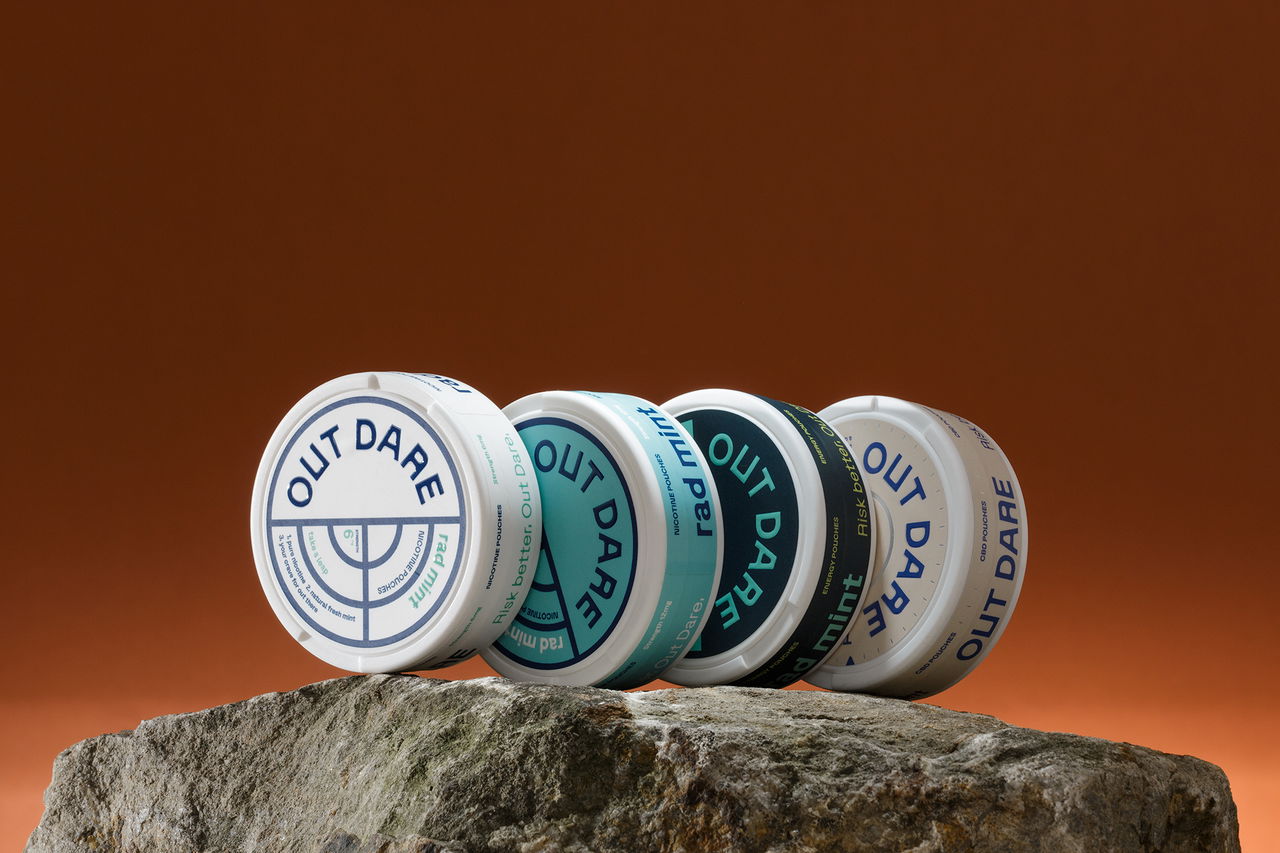
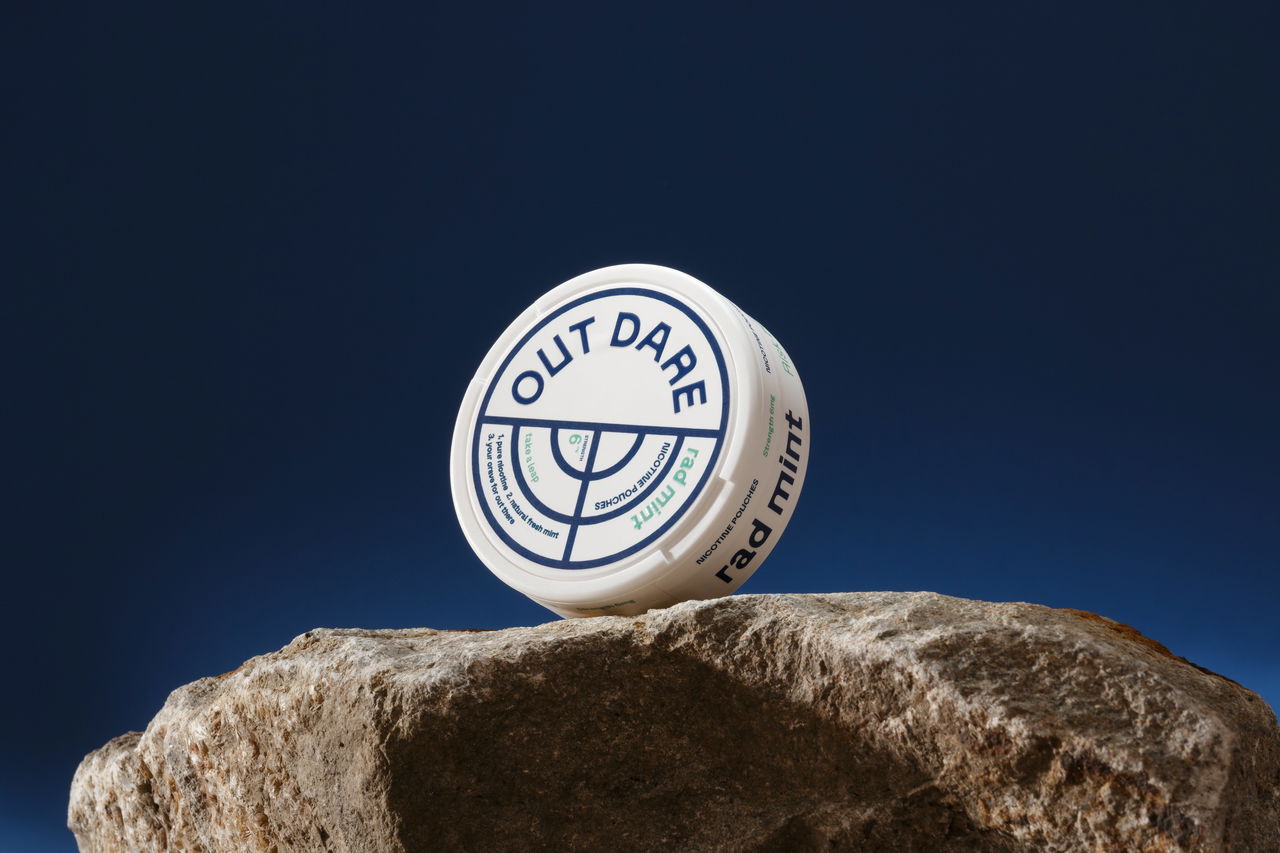
Users transitioning from cigarettes often prefer vaping initially due to familiar behavioral patterns. The immediate nicotine hit and visible vapor provide psychological satisfaction similar to smoking. However, many users eventually migrate to pouches for convenience and health reasons. Pouch adoption typically involves a learning curve as users adjust to different placement techniques and timing. Once established, many users report preferring the sustained satisfaction and freedom from device dependence. At Outdare LTD, we've found that users benefit from having multiple options available. Our three-pouch system allows users to maintain familiar rituals while gradually transitioning to cleaner alternatives, addressing both the chemical and behavioral aspects of nicotine use.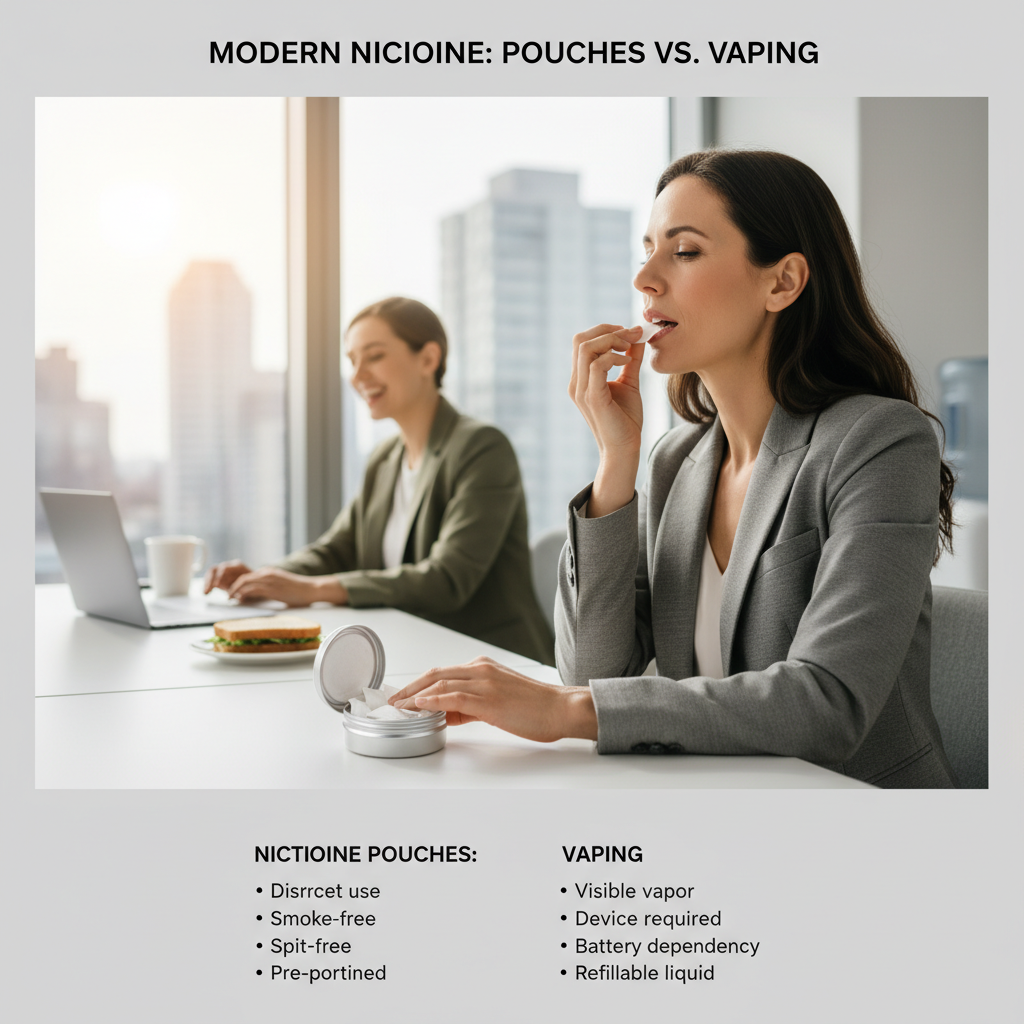
Best Practices for 2026
Optimal approaches to nicotine pouches vs vaping in 2026 require understanding current regulations, health research, and harm reduction strategies. Evidence-based practices help users maximize benefits while minimizing risks regardless of their chosen method.Harm Reduction Strategies
For vaping users, best practices include:- Choose devices with temperature control to minimize harmful chemical formation
- Select e-liquids from reputable manufacturers with third-party testing
- Avoid flavoring chemicals linked to respiratory issues
- Gradually reduce nicotine concentration over time
- Monitor respiratory symptoms and discontinue if problems develop
- Rotate placement sites to prevent localized tissue damage
- Choose products with natural ingredients and minimal additives
- Start with lower strengths and adjust based on satisfaction
- Take regular breaks to allow oral tissues to recover
- Monitor for gum recession or other oral health changes
Transition and Reduction Methods
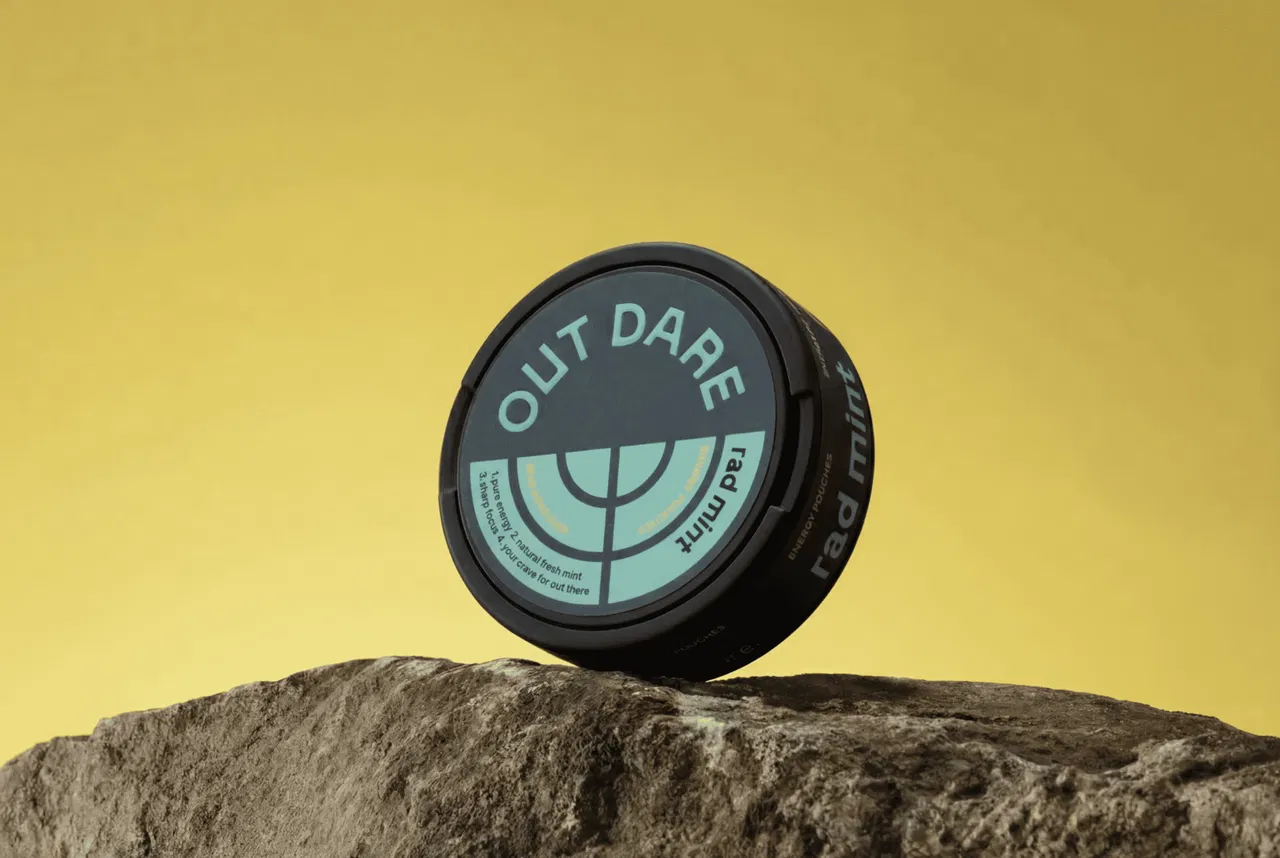
The most effective cessation strategies involve gradual reduction rather than abrupt discontinuation. For users switching between methods or reducing overall nicotine intake: Users moving from vaping to pouches should start with higher-strength pouches to compensate for the slower onset, then gradually reduce strength as they adapt to the sustained release pattern. Users reducing nicotine overall can benefit from combination approaches. Our team at Outdare LTD recommends using a structured system where users gradually replace nicotine pouches with energy or CBD alternatives that maintain the oral ritual while eliminating chemical dependency.Pro Tip: Track your usage patterns for 2 weeks before making changes. Understanding your triggers and timing helps create a realistic reduction plan that accounts for high-stress periods and habitual use times.
Regulatory Considerations for 2026
European regulations continue evolving around both vaping and nicotine pouches. As of 2026, key considerations include:- Increasing vaping restrictions in public spaces across EU member states
- Emerging pouch regulations focusing on marketing and youth access
- Quality standards for manufacturing and ingredient disclosure
- Import restrictions affecting product availability
Sources & References
- National Center for Biotechnology Information, "'It'll save your lungs': early insights into nicotine pouch use", 2024
- Yale Medicine, "What Parents Should Know About Nicotine Pouches", 2024
- Truth Initiative, "Can oral nicotine pouches like Zyn help people quit vaping nicotine?", 2024
- Cenikor, "Are Nicotine Pouches Safer than Chewing, Smoking or Vaping?", 2024
- Nordic Spirit, "Nicotine Pouches vs Vapes: How Do They Compare?", 2024
- Reddit, "zyn instead of vaping : r/electronic_cigarette", 2024
Frequently Asked Questions
1. How many nicotine pouches equal a vape?
Understanding nicotine pouches vs vaping is essential. The equivalency depends on nicotine strength and usage patterns. A 6mg pouch provides sustained nicotine over 30-60 minutes, roughly equivalent to 10-15 puffs from a 20mg/ml vape. However, pouches deliver nicotine more slowly, so direct comparisons are imprecise. Most users find 2-3 pouches daily replaces moderate vaping habits.
2. Are nicotine pouches safer than vaping?
Pouches eliminate lung exposure to vapor and heated chemicals, addressing the primary health concern with vaping. However, pouches can cause oral tissue irritation and gum recession. Both are significantly safer than smoking, but pouches avoid respiratory risks associated with inhalation of any substance.
3. Can I use nicotine pouches to quit vaping?
Yes, many users successfully transition from vaping to pouches as a cessation strategy. Start with higher-strength pouches to compensate for the slower nicotine delivery, then gradually reduce strength over time. The sustained release can help manage cravings more effectively than vaping's rapid peaks and valleys.
4. Which method costs less long-term?
Vaping typically costs €80-200 monthly including devices, coils, and e-liquid, while pouches cost €150-250 monthly for heavy users. However, pouch costs are more predictable without device failures or replacement parts. Light users often find pouches more economical due to sustained release requiring fewer daily doses.
5. Do nicotine pouches work as well as vaping for cravings?
Pouches satisfy cravings differently than vaping. While vaping provides immediate satisfaction, pouches offer sustained nicotine release lasting 2-3 hours. Many users find pouches more effective for all-day craving management, though the initial satisfaction may feel less intense than vaping's rapid delivery.
6. Can I use both methods together?
Using both simultaneously can lead to nicotine overdose and increased addiction risk. If transitioning between methods, use one at a time and monitor total daily nicotine intake. Some users alternate methods based on situation (pouches at work, vaping at home), but this approach may maintain higher overall nicotine dependence.
Recommended Articles
Explore more from our content library: